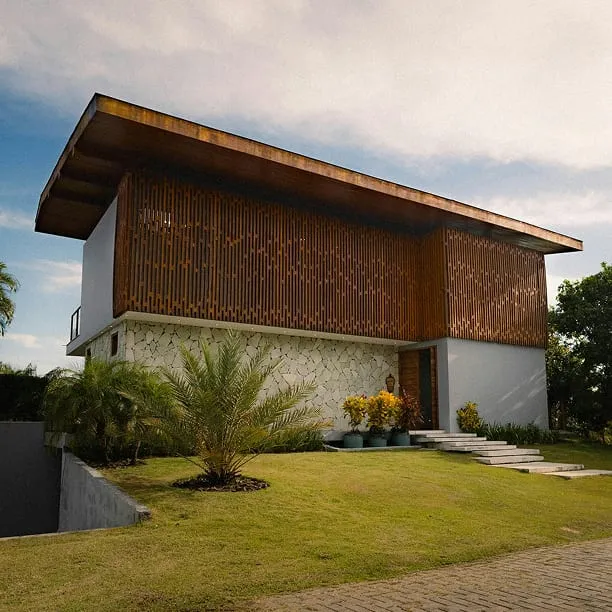
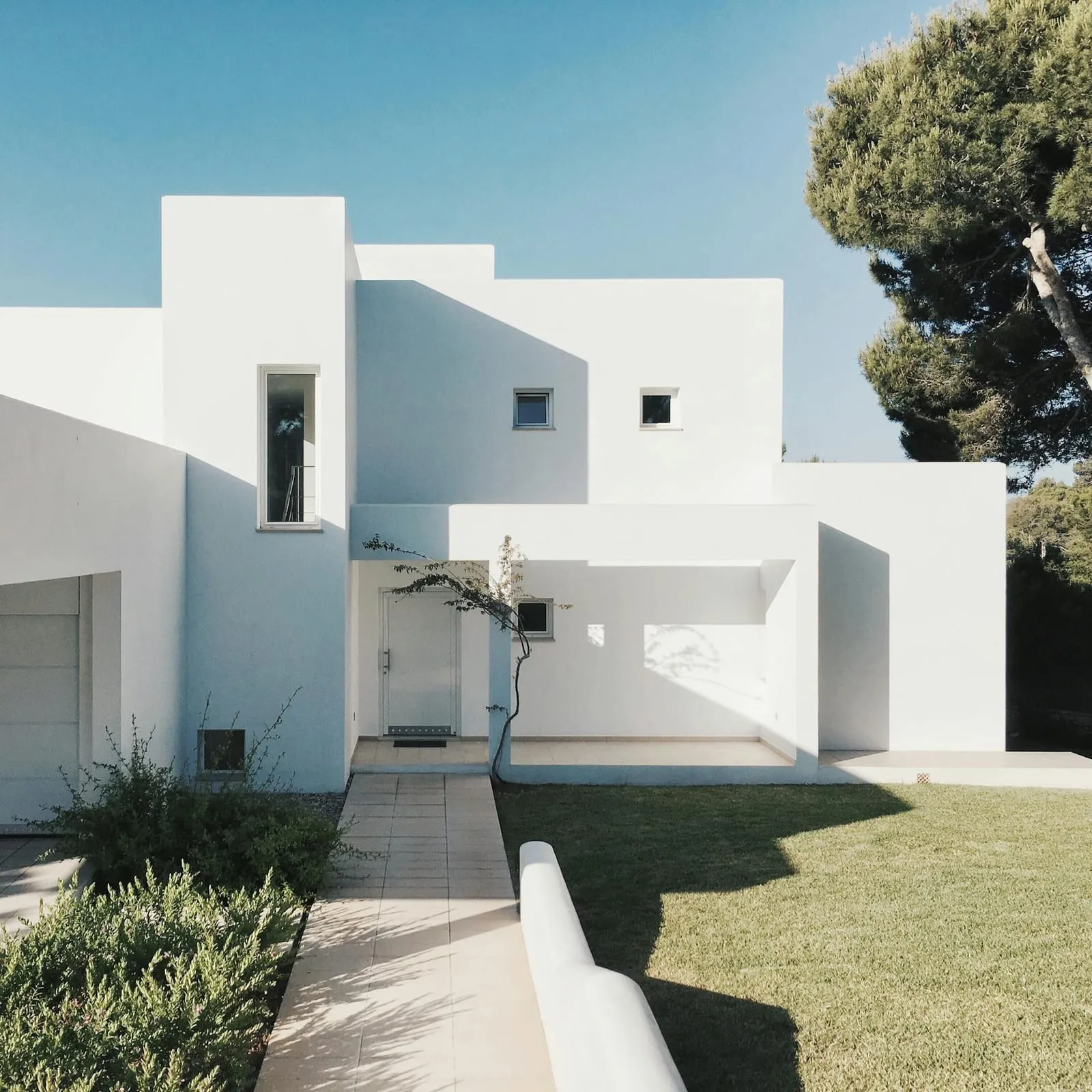
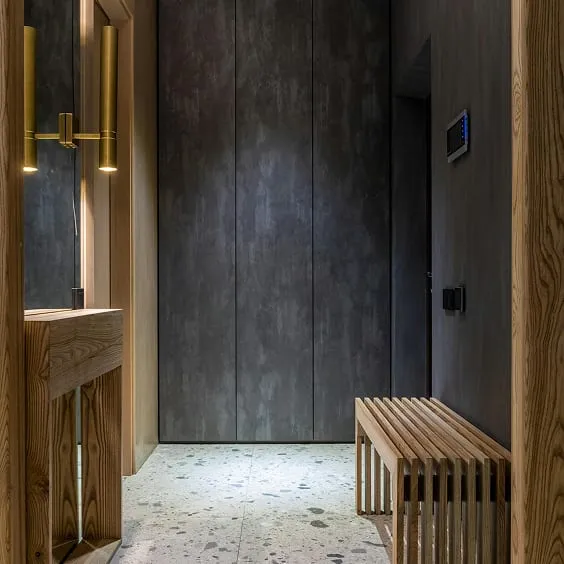
Restoring Old Buildings Without Losing Their Character
How to bring an older building up to modern standards while keeping the details and patina that make it special.


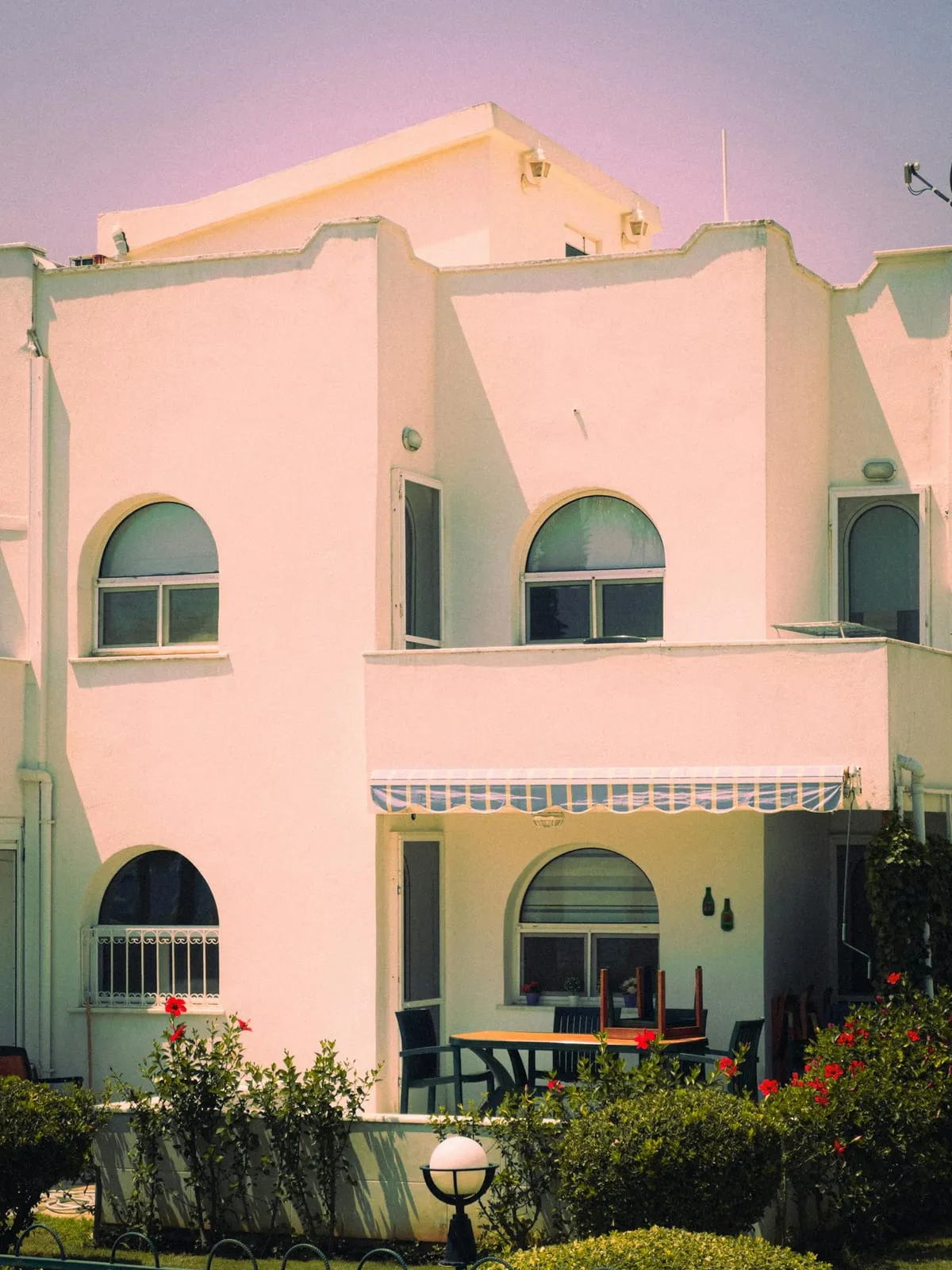
Every old building has a story
Worn stone steps, hand-made tiles, a window arch shaped by a local builder a century ago: these details cannot be bought new. When we restore a building, our first job is to understand what makes it special, and our second is to protect it while making the building comfortable for the way people live today.
Restoration is a conversation between the past and the present. Neither should do all the talking.
Survey before you design
Before drawing anything, we document the building carefully. Measured surveys, historic research and material testing reveal how it was built and how it has changed. This helps us separate original features worth keeping from later additions that can be removed.
- Record original details with photographs and drawings.
- Identify the causes of damp or decay, not just the symptoms.
- Check local heritage rules early; they shape what is possible.
Repair before replacing
Original materials are often more durable than they look. Timber windows can be repaired and draught-proofed. Lime plaster can be patched with matching mixes. Replacing them with modern equivalents can cause new problems, such as trapped moisture, and erases part of the building’s history.
Let new work be honest
Where new elements are needed, we avoid imitating the old. A contemporary extension in simple, complementary materials lets the original building remain clearly readable. The contrast makes both old and new feel more considered.
Improve comfort sensitively
Older buildings can become warm and efficient without losing their character:
- Insulate roofs and floors first, where it is least visible.
- Use breathable insulation that works with traditional walls.
- Add secondary glazing instead of replacing historic windows.
- Hide new services in existing voids wherever possible.
Done well, restoration gives a building another hundred years of life, and the people who live there get something no new building can offer: a home with a past.