Designing With Daylight: How Natural Light Shapes a Home
Light is the first material we design with. Here is how orientation, openings and surfaces turn sunlight into atmosphere.



Light is a material
Before we choose a single finish, we study the sun. Where it rises, how high it climbs in winter, which rooms it reaches in the late afternoon. Natural light changes how large a room feels, how warm a surface looks and how we move through a space during the day. A home that is planned around light feels calm without trying.
Artificial lighting can fix a dark corner, but it can never recreate the slow shift of daylight across a wall. That movement is what makes a space feel alive, so we treat it as a material in its own right.
A well-lit room is not the brightest one. It is the one where light arrives at the right moment.
Start with orientation
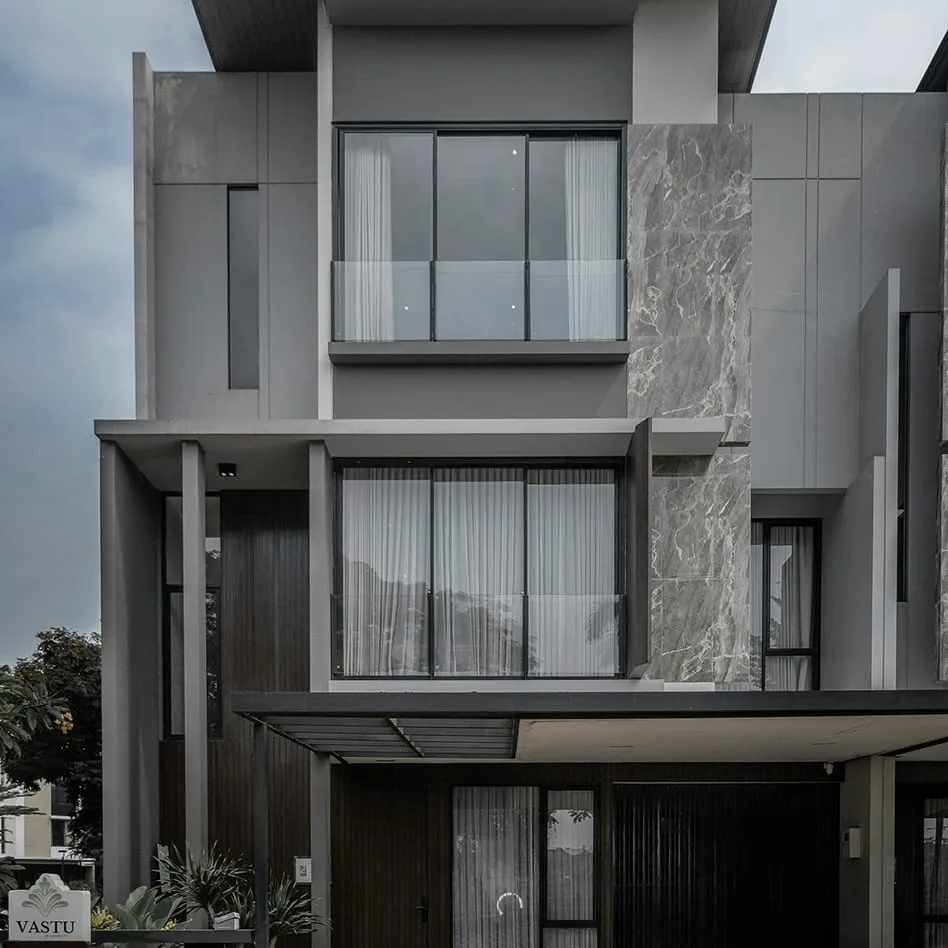
The position of a building on its site decides most of its light before any window is drawn. In the northern hemisphere, living spaces generally benefit from facing south, where the sun is steady and easy to shade. East-facing rooms catch soft morning light, ideal for kitchens and breakfast areas. West-facing rooms receive intense evening sun that needs careful control.
- Place the rooms you use most where the light is best at the time you use them.
- Put storage, bathrooms and circulation on the darker sides of the plan.
- Use deep eaves or overhangs to block high summer sun while letting low winter sun in.
Shape the openings
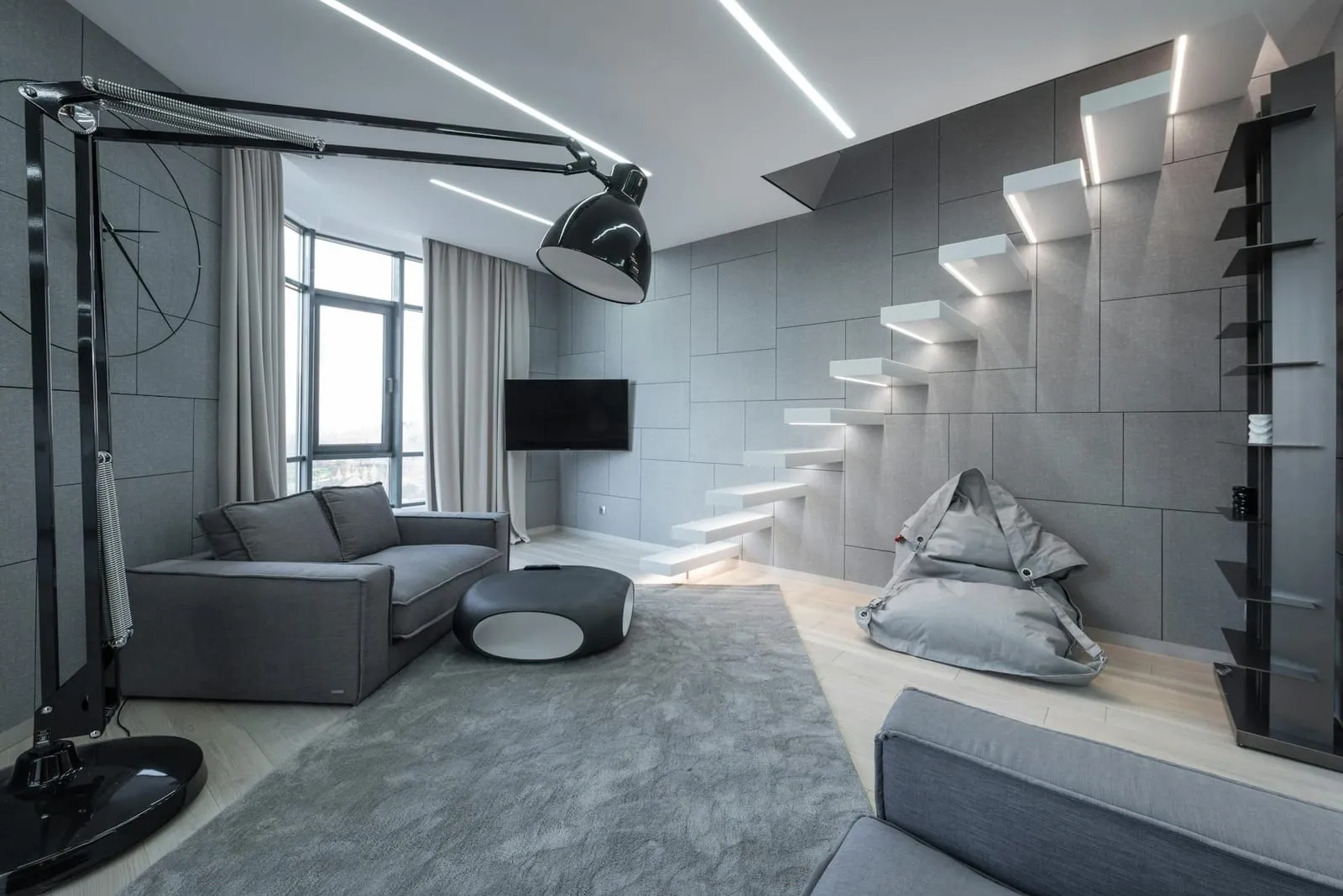
The size of a window matters less than where it sits. A tall, narrow window washes light down a wall. A clerestory lets light in high while keeping privacy. A skylight over a staircase pulls light into the centre of the house.
We often frame a single view rather than opening a whole façade. Fewer, carefully placed openings create contrast between bright and quiet areas, and that contrast is what gives a room depth.
Let surfaces do the work
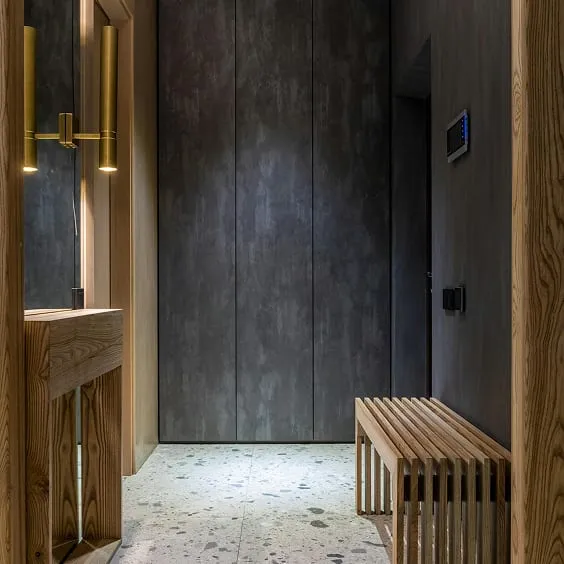
Light is only visible when it lands on something. Pale, matte walls spread light softly, while polished stone and glass reflect it sharply. Timber warms it. Textured plaster turns a beam of sunlight into a shifting pattern throughout the day.
- Use lighter finishes on the walls that receive direct light.
- Choose matte surfaces to avoid glare in workspaces.
- Add warm materials near cool, north-facing windows to balance the tone.
Design for every season
A room that glows in April can overheat in August. Good daylight design plans for the whole year: operable shading, planting that loses its leaves in winter, and thermal mass that stores warmth. When light, comfort and energy use work together, the result is a home that feels right in every season, and that is the quiet luxury we aim for in every project.